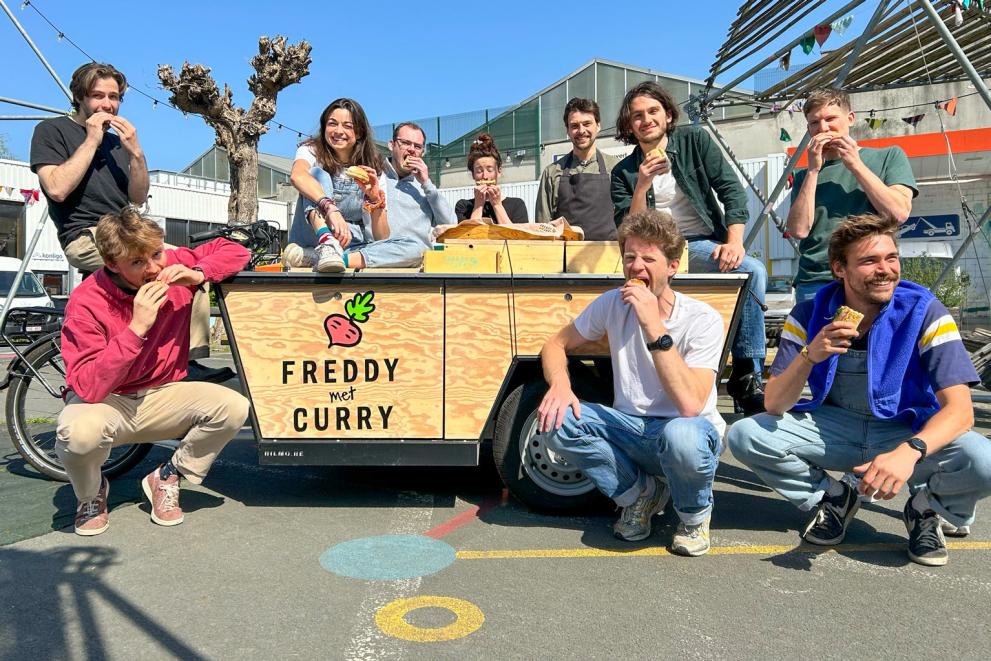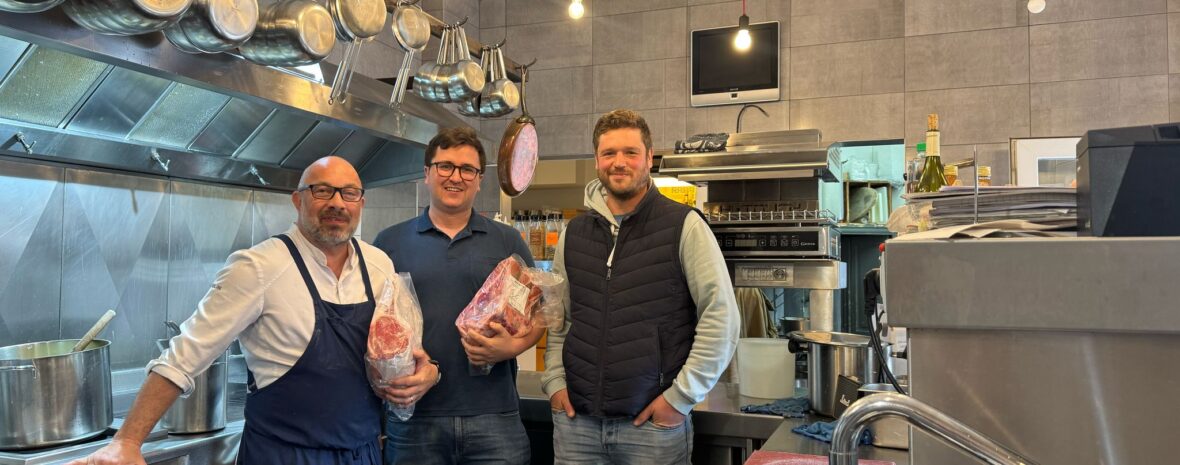
The European programme TASTE – Go Green, Get Digital, Be Resilient supports innovative projects that strengthen the sustainability, digitalisation, and resilience of the tourism and food sectors. Among the Brussels-based winners, the association ENTIER stands out with its project “Let Eat Stew”, an initiative that brings together breeders, butchers, and restaurateurs around a shared vision: reinventing sustainable gastronomy by valuing the animal in its entirety.
The project Let Eat Stew places an iconic dish of European culinary heritage back at the centre of the plate: stew. Co-founder of this initiative, Vincent Pautré, highlights that “stews embody time, craftsmanship, and the creative use of every part of the meat – from tail to shoulder – in direct opposition to the fast-food logic that favours everything minced.” Through this approach, the project promotes a slow, artisanal, and resource-conscious cuisine that inspires Brussels chefs. In contrast to the “everything minced” model, which favours industry over craftsmanship, leads to a devaluation of meat prices for breeders, and results in a significant loss of gastronomic heritage.
A network of committed chefs and a reconnected supply chain
ENTIER is a Brussels-based association that brings together more than fifty chefs committed to responsible cuisine. It mobilises this network to promote more sustainable practices, support producers, and offer an accessible culinary experience to both visitors and residents. In a context where fast food and industrial alternatives are gaining ground, Let Eat Stew takes the opposite approach: valuing underused cuts, reducing food waste, ensuring fair remuneration for breeders, and strengthening the resilience of supply chains. The workshops organised as part of the project created concrete synergies between artisans: chefs, butchers, and breeders.
Farm For Good: a structuring agricultural partnership
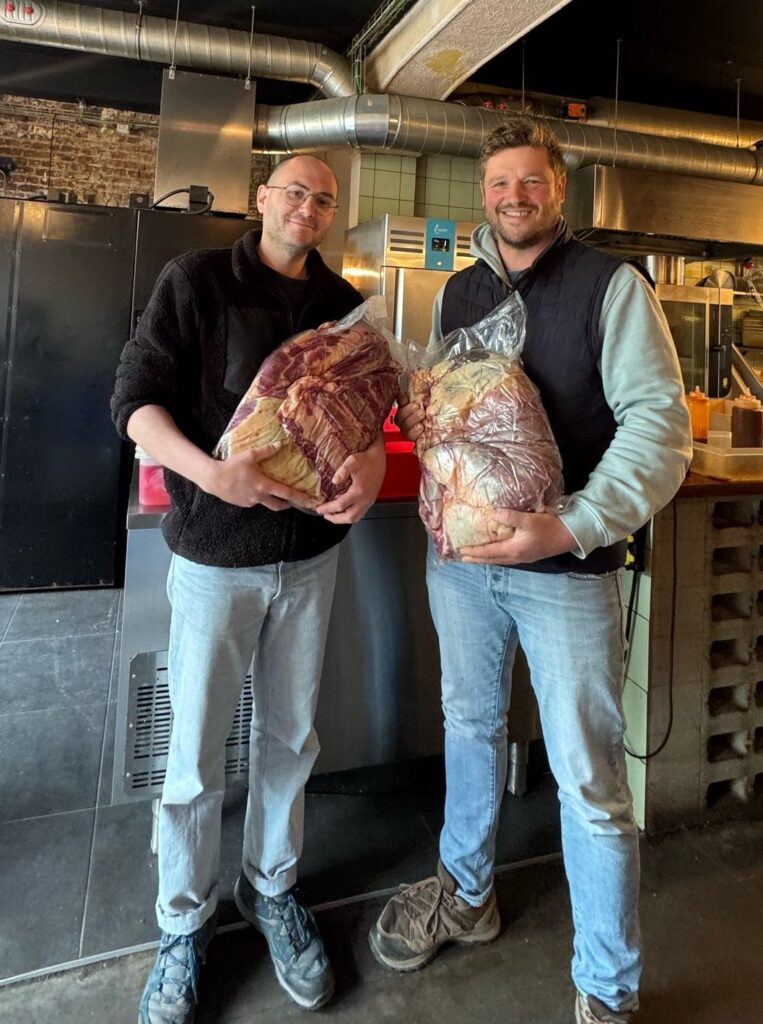
The project also relies on a key partnership with Farm for Good, a cooperative bringing together more than one hundred farmers committed to organic and regenerative agriculture. The cooperative played a central role in the Let Eat Stew project: it guaranteed — in partnership with the butcher shops Teroir — an organic, local, and traceable supply chain while ensuring fair remuneration for breeders. ENTIER works directly with breeders who apply practices that respect both soil and living ecosystems.
At the heart of the initiative, chef-butcher Laura Duchêne supports chefs in understanding meat cuts and organises meetings with breeders. This direct relationship between kitchens and farms allows chefs to grasp the realities of livestock farming, value the animal in its entirety, and create dishes that tell the story not only of the product but also of the people behind it.
A “stew season” bringing Brussels together
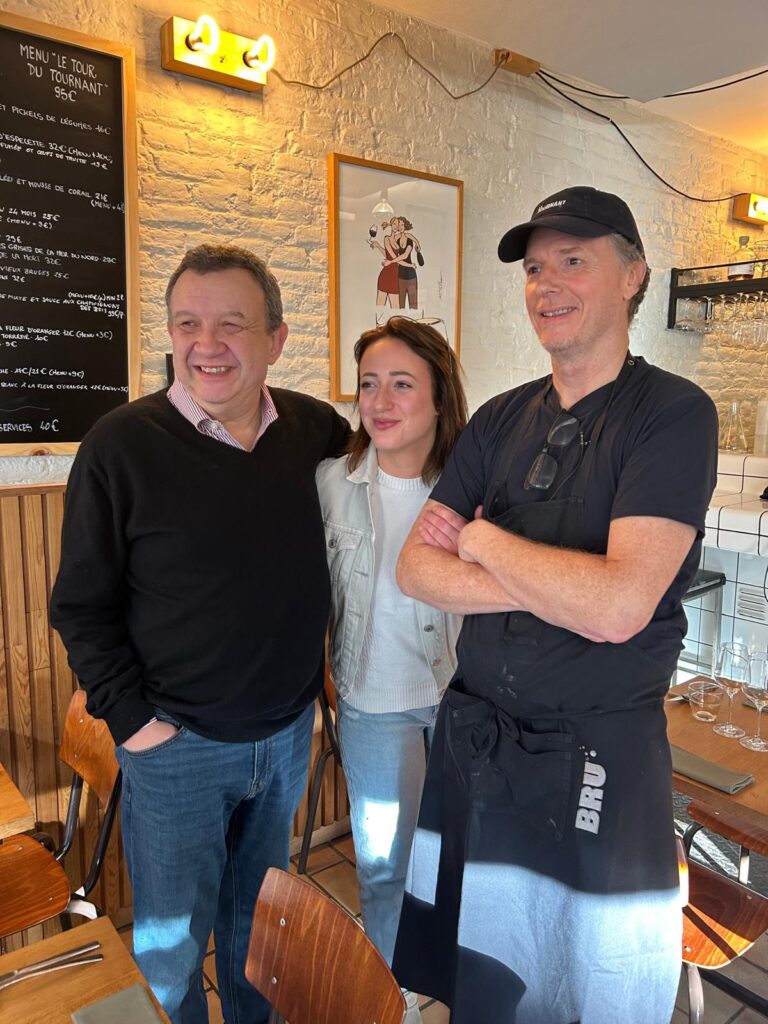
In Brussels, Let Eat Stew took shape through a series of actions aimed at professionals and artisans: culinary workshops, demonstrations, meetings between breeders, butchers, and restaurateurs, and special menus in around twenty partner restaurants. ENTIER also turned January to February into the “stew season”, an ideal period for the Horeca sector and particularly suited to slow-cooked dishes. This momentum helped structure a genuine community around the project, further strengthened in March during the Demo Day of the TASTE programme in Barcelona.
With Let Eat Stew, ENTIER proposes a renewed vision of sustainable gastronomy: creative, collaborative, and deeply rooted in the Brussels territory. Thanks to the support of the TASTE programme, the project was able to mobilise an exceptional community through a structured and impactful communication campaign, reaching nearly one million people. This visibility was notably made possible through the media participation of the chefs involved, as well as the activation of their high-audience social media networks. The project also highlighted Brussels chefs committed to sustainable practices alongside breeders and value chains promoting the full use of the animal, an essential issue for a more responsible food system aligned with the challenges facing our society.
 Learn more about TASTE
TASTE Project
TASTE LinkedIn
Farm for good
Learn more about TASTE
TASTE Project
TASTE LinkedIn
Farm for good